
▻ Peter Sisseck
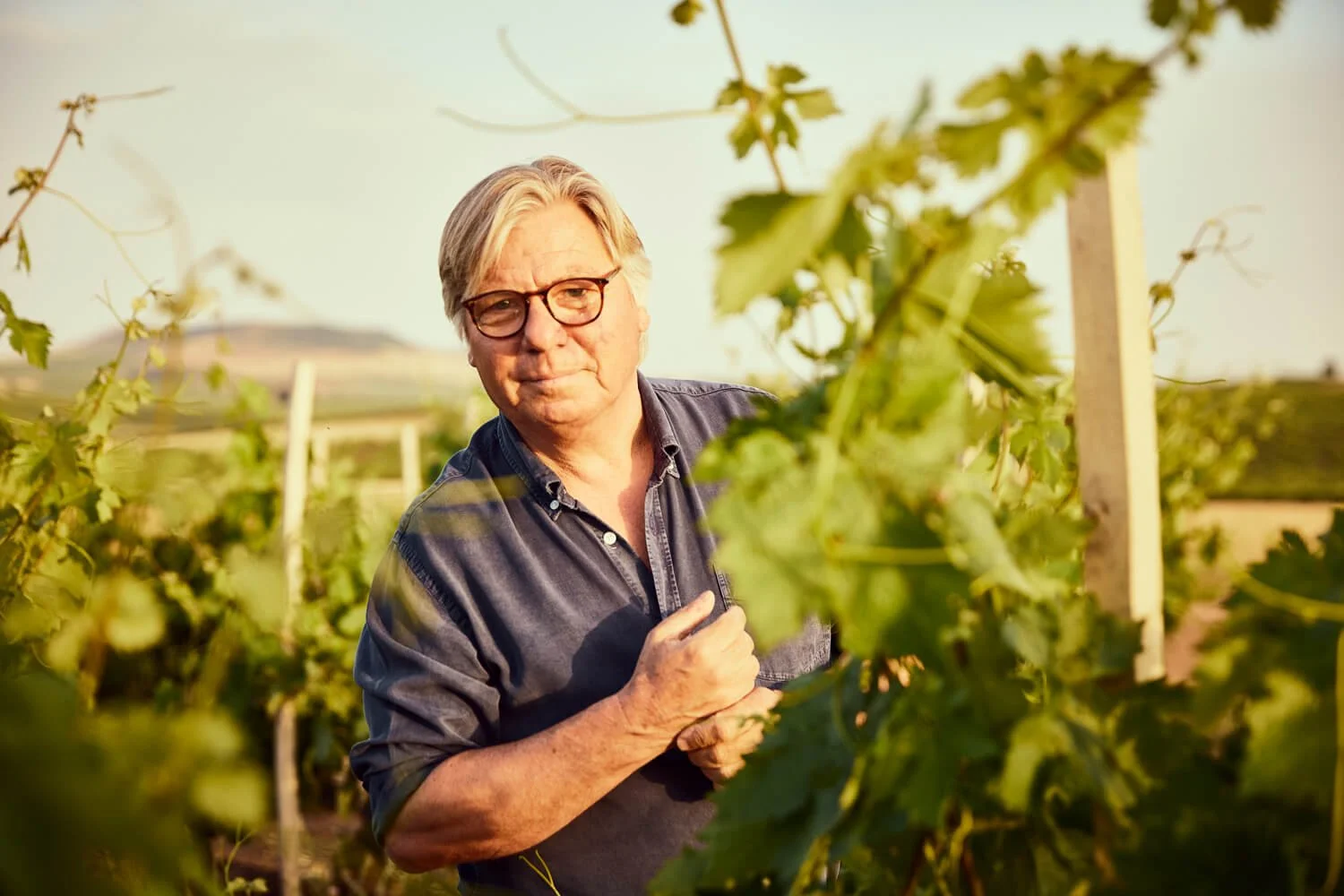
Sarah Kemp in conversation with Peter Sisseck

Episode Summary:-
Peter Sisseck is one of Spain’s most admired winemakers. He, along with Alvaro Palacios and Telmo Rodriguez, helped change the image of Spanish wine.
In this episode of Great Wine Lives, he talks to Sarah Kemp about his extraordinary life. Born in Denmark, he reminisces about visiting his uncle, Peter Vinding Diers, who was making wine in Bordeaux, when young Peter was in his teens. After his studies ended, he joined him at Château Rahoul and fell in love with the idea of making wine. He then went to work in Sonoma, California, with Zelma Long in 1985 at Simi, and he discusses the different philosophies between Bordeaux and California in the ‘80s. Paul Draper at Ridge offered him a job, but as the position wasn’t available for six months, he returned to Europe where his uncle asked him to help with a project he was consulting on in Spain.
He describes his first impressions of Spain and his early days at Hacienda Monasterio in Ribera del Duero: “I remember I was stopped by the sheep and the shepherd, and you had the dust, and the sun behind. It was unreal, it was like a picture.” Encouraged by his friend Jean-Luc Thunevin of Château Valandraud, who was known as the leader of the garagiste movement, he decided to create Pingus, a single-vineyard wine. Jean-Luc introduced him to his clients and he showed the wine in Bordeaux during En Primeur week. It immediately gained the attention of the critics, with the most influential of all, Robert Parker, calling it “one of the greatest red wines I have ever tasted.” Orders quickly followed, and later on, at the suggestion of his American importer, he created Flor de Pingus, which he calls his “village wine.”
In 2007 he created PSI, in response to the rapid loss of old vines. The wine is created from 700 plots of old vines, and today he produces 360,000 bottles. He is currently buying micro-vineyards and has one member of staff whose sole job is dedicated to ensure that their property registration is correctly administered.
The lure of Bordeaux called to him again in 2010, when he partnered with Silvio Denz to acquire Château Rocheyron, Saint Emilion Grand Cru. Peter describes how his aim is to produce lighter, more fragrant wines, which suit the limestone the estate is situated on. He has been biodynamic here since 2011 and believes that since 2016 the vine balance has been restored.
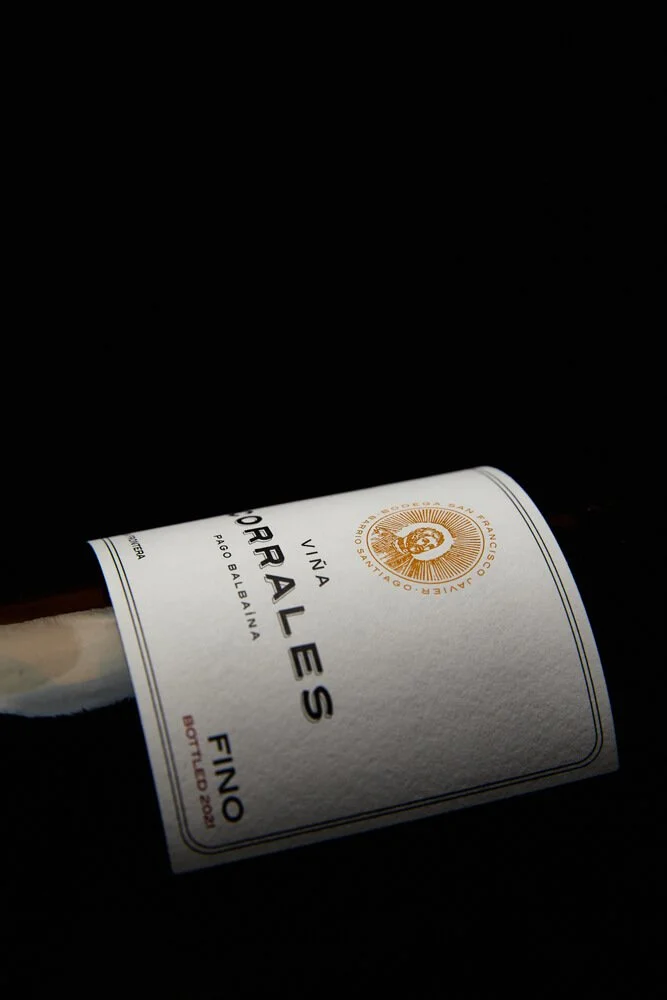
Seven years later, he started another venture in Spain, Vina Corrales, a single-vineyard Fino, from grapes grown on pure limestone. Peter acquired an old Solera and began bottling in 2020 after building up stock. He will release another Fino in 2027.
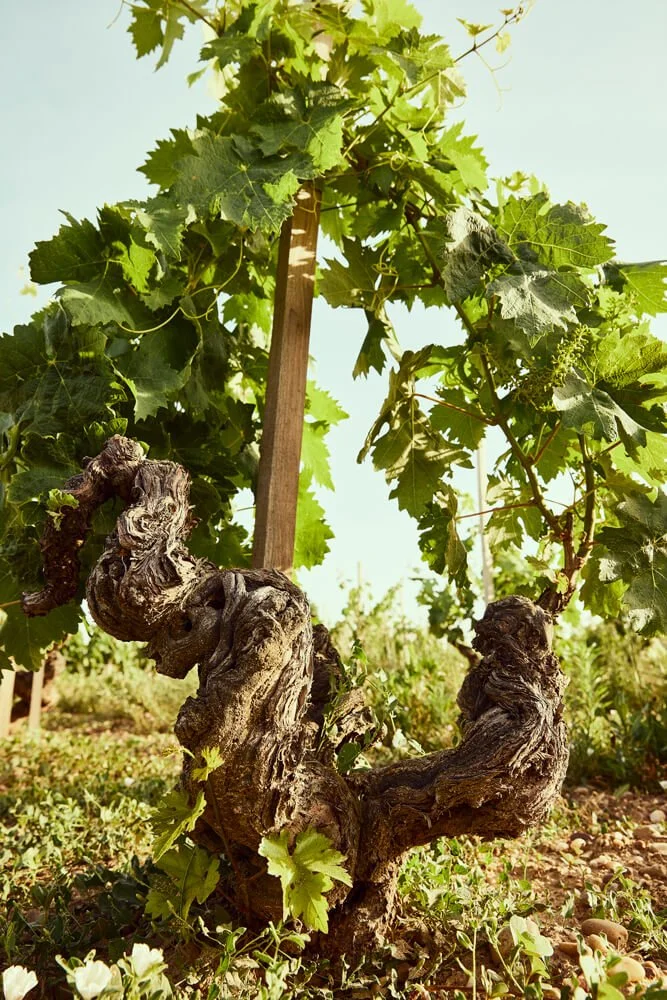
One philosophy which extends across all three properties is his belief in terroir and its place in the landscape. He has been organically farming since Hacienda Monasterio in 1990, and biodynamics was a natural extension focused on soil microbiological life. He reveals that he values old vines for resilience, deep roots and vintage stability, but warns that clonal material quality is equally crucial – not all old vines are inherently superior.
He has collaborated with the renowned garden designer Tom Stuart Smith to create a garden which brings biodiversity into the vineyard landscape, while in Jerez he has introduced keyline (contour) planting which saves 20% water by preventing runoff.
Climate change is an issue all winemakers face. Peter opposes irrigation as a solution and believes Rocheyron’s limestone subsoil is a key resilience asset for the future. Clonal monoculture is also identified as a major vulnerability, especially in Jerez and Bordeaux, whilst Spain’s greater clonal diversity offers an advantage.
After all this, how would he like to be remembered? “To be someone who gave back more than he was given,” he says.
““The whole thing of growing something and making the wine and having a product that you could be proud of or not, many years later, was extremely compelling.“ ”
Running Order:-
-
0.00 – 33.23
“The whole thing of growing something and making the wine and having a product that you could be proud of or not, many years later, was extremely compelling.“ – Peter Sisseck
– Growing up in Denmark and family’s appreciation of wine.
– Visiting his uncle Peter Vinding Diers in Bordeaux.
– Learning to make wine with his uncle.
– Time spent with Zelma Long in California.
– First impressions of Ribera del Duero.
– Establishing Pingus and early reaction to it.
– Jean-Luc Thunvein’s Château Valandraud garagiste influence and help.
– The Robert Parker effect. -
33.24 – 01.14
“I cannot separate the vineyard from the landscape.”
– Establishing PSI and the challenges of micro-vineyards.
– Future plans for PSI.
– Acquiring Château Rocheyron in Saint Emilion with Silvio Denz.
– How he decided to produce a lighter, more fragrant wine.
– Introducing biodynamic farming.
– Starting Vina Corrales, a single-vineyard Fino.
– How Vina Corrales is made.
– Peter’s views on viticulture and climate change.
RELATED POSTS

Keep up with our adventures in wine
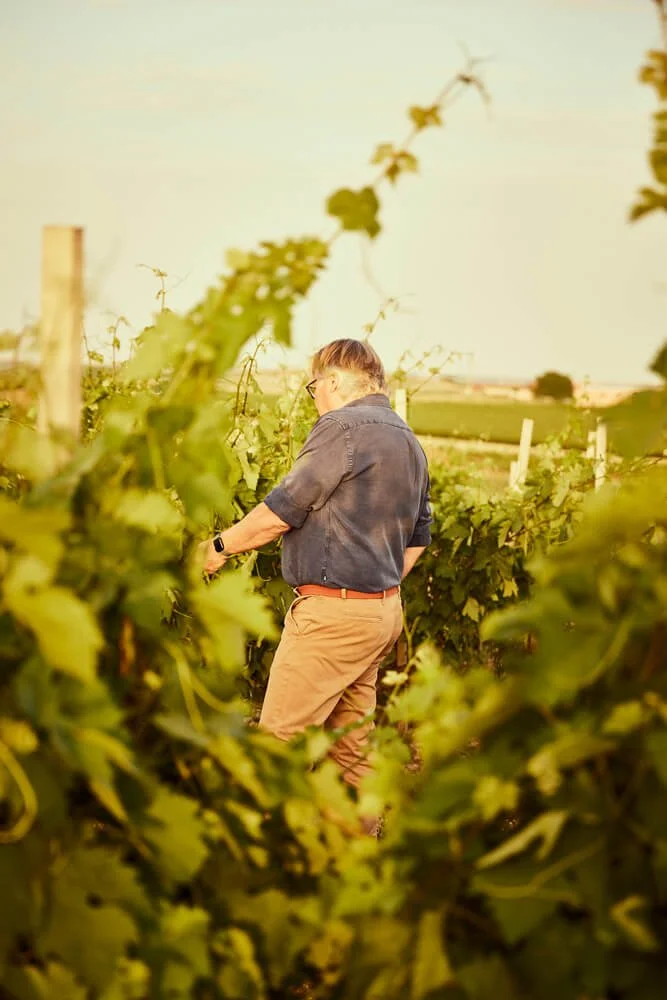
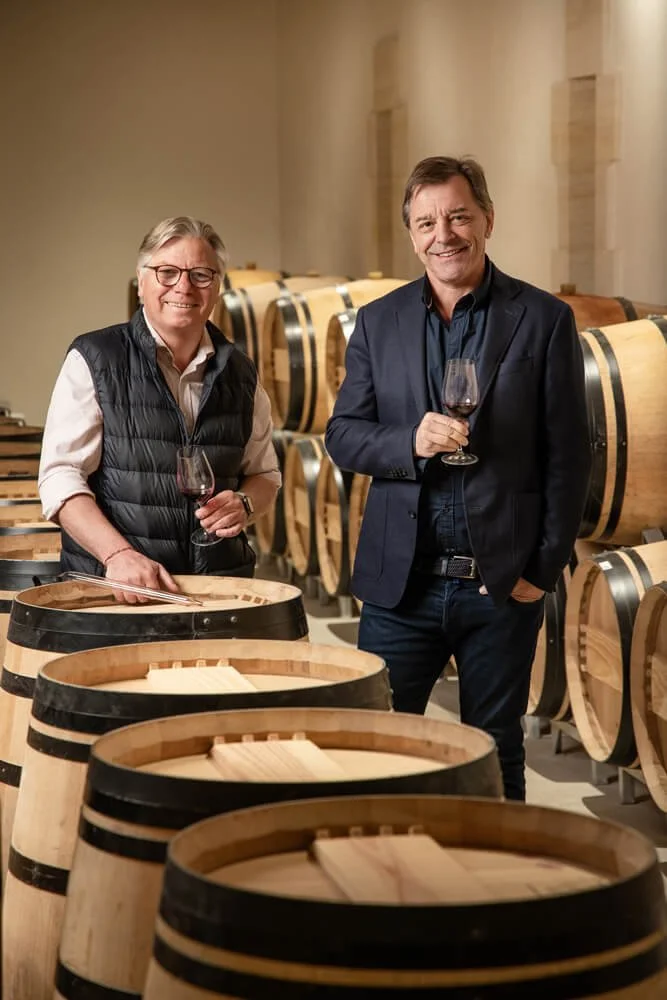
Peter Sisseck, the man who helped change the image of Spanish wine, talks to Sarah Kemp.