
▻ Ernst Loosen
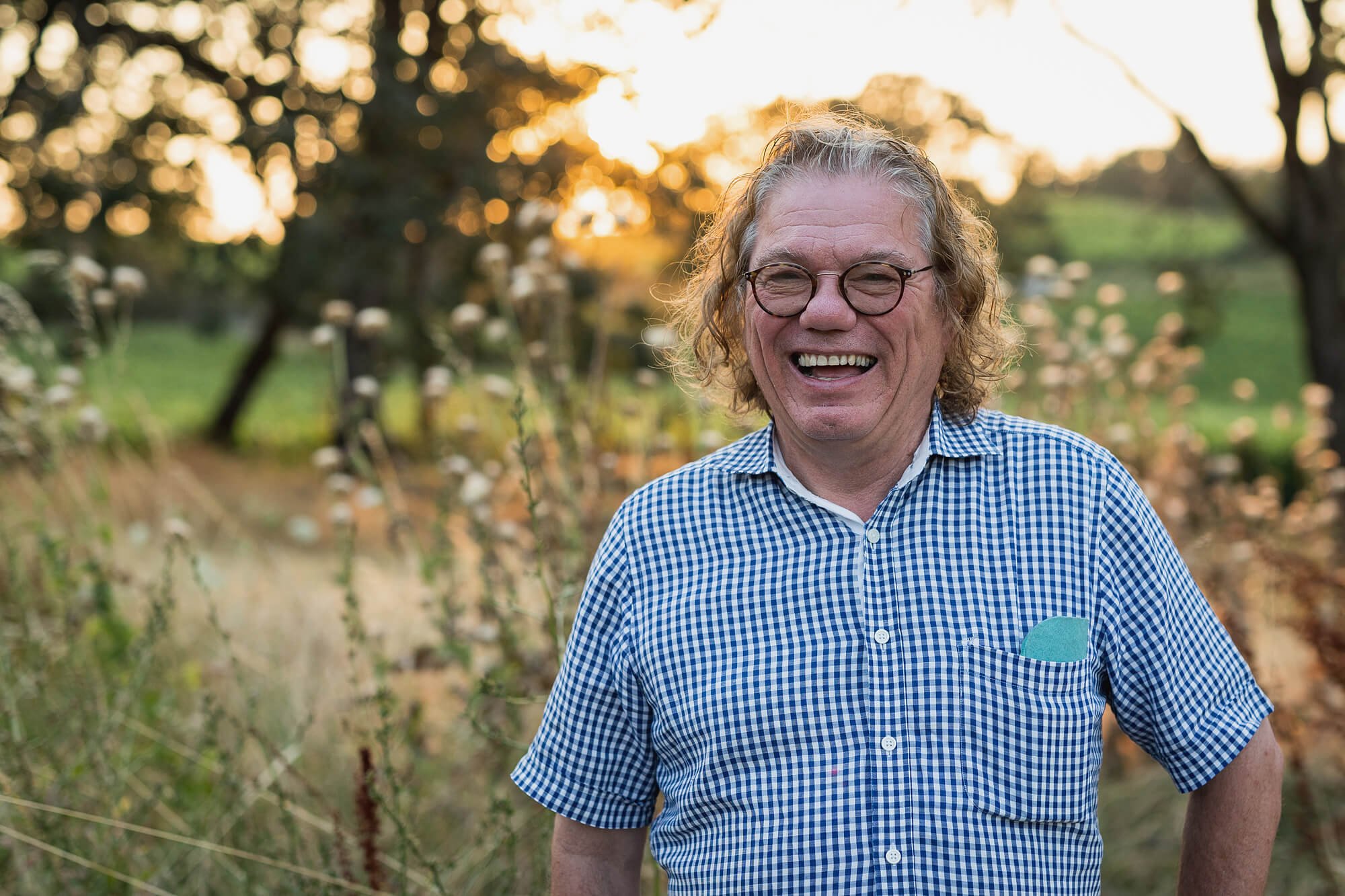
Sarah Kemp in conversation with Ernst Loosen

Episode Summary:-
Erni Loosen is known the world over as “Mr. Riesling.” In this episode of “Great Wine Lives” he talks to Sarah Kemp, reminiscing about how he grew up in the Mosel at the family winery in Germany, and how the workers were like his uncles. With characteristic frankness, he reveals he didn’t get on with his father, though after his father became ill, he returned from studying archaeology to run the winery; he made his first vintage in 1987. It was a bumpy start – not only was it a difficult vintage, the workers resisted his new ideas and many decided to quit. As the winery was losing money, he took the decision not to rehire them, and he and Bernhard Schug, who was working part-time at the winery and had a degree in agriculture but not oenology, ran the winery. Erni decided to look after the vineyard, and made Bernhard the winemaker after giving him a 600-page book on winemaking.
Erni recounts how Riesling prices used to be higher than top Bordeaux in much of the last century, but by the time he took over the family winery, consumers saw German wine as a source of sweet Liebfraumilch, Black Tower and Blue Nun. He was determined to restore the quality image of German wine. To spread the word, he set off to London, where he stayed in a bed and breakfast room crawling with cockroaches, and, using the Yellow Pages, cold-calling wine importers on a coin-operated phone. A fortuitous meeting with a young wine journalist, Stuart Pigott, helped him find a better way in, and started to change his fortunes. “What helped me so much is I loved London – all those tastings,” he says.
Stuart introduced him to the London wine scene, where he met Oz Clarke, Tim Atkin and other young journalists; often, when they needed information on better German wine, they turned to him. London was also a door to learning about other great wines, and, inspired by the new discoveries, he accompanied Stuart, who didn’t drive, on his visits to top producers, sometimes also with Bernhard Schug, learning as they went. “We included a lot of things which we learnt or heard from other people – at least we tried it.”
““Riesling is like an actor who can play many parts.” ”
He also explains how he was influenced by great winemakers like Olivier Humbrecht’s father, who also introduced him to whole-cluster pressing. “A great wine starts in your head; how can you produce a great wine if you’ve never tasted a great wine?”
His travels helped him acquire a love of Pinot Noir and in 1996 he was alerted to an estate, J.L Wolf, for sale in the Pfalz, in Southwestern Germany, bordering Alsace. “Germany has a long-standing tradition for the Pinot varieties,” he explains. He would never grow Pinot in the Mosel, “Mosel has to be Riesling,” but the Pfalz was ideal for producing Pinot varieties.
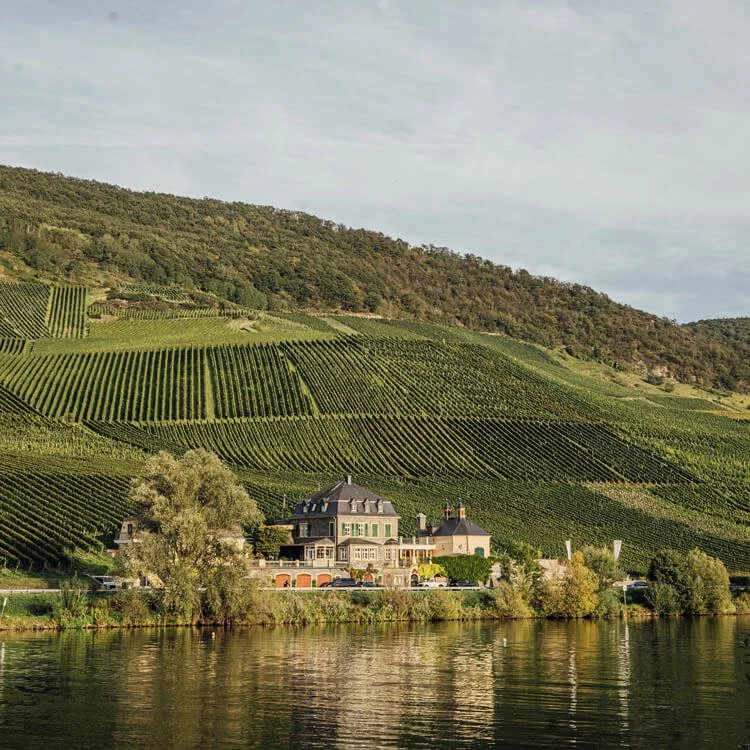
Back in the Mosel, he now has ten major vineyards which are Grosse Lage (German Grand Cru). He believes that terroir is essential to make great wine and notes how the wines which used to command huge prices were all named vineyards.
History also inspired him in winemaking. His grandfather and great-grandfather left wines 2-8 years in barrel on their lees, and then bottled it. “Wine was made by time. Nowadays we have a lot of technology, but no time.” He explains how he was inspired by an 1807 winemaking book where the wines from the Mosel were left in barrel on their lees for 20-30 years. He’s now following the past and releasing some wines at 40 and 50 years old. “I’m totally obsessed by this old-style winemaking,” he says, noting that currently, he has 800,000 to a million bottles laid down for late release.
His first venture outside Germany was Washington State, with Ch Ste Michelle. A lawyer friend in Portland suggested a joint venture, after seeing Ch Ste Michelle’s joint venture with Antinori. Erni explains that the goal was to produce the best Riesling in Washington State, but never to make a Mosel-style Riesling. The wine was named Eroica.
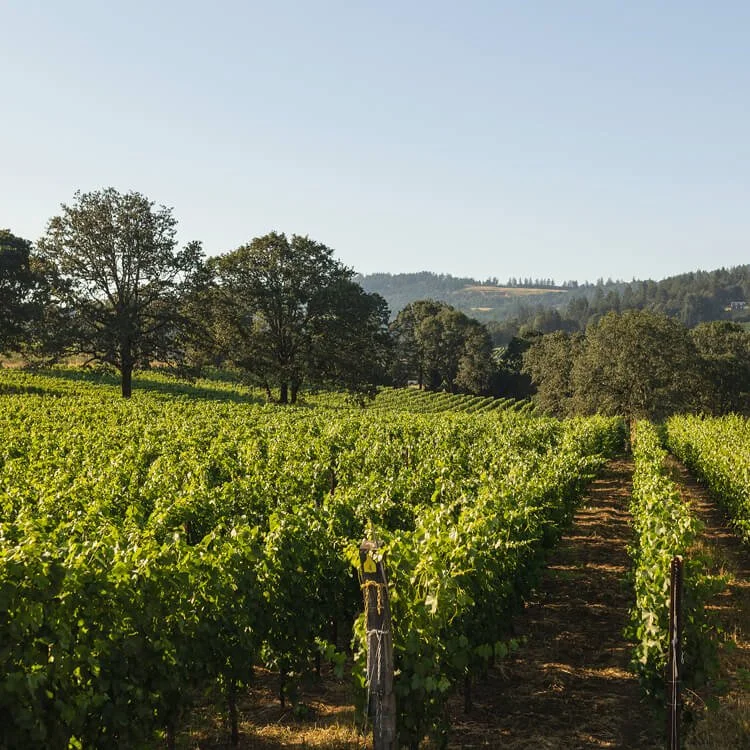
His next venture was across the border in Oregon, where he teamed up with J Christopher Wines and created Appassionata Estate in the Chehalem Mountains. He explains that he loves Pinot Noir, and has 10,000 bottles of Burgundy in his private cellar. Land in Oregon was much more affordable than in Burgundy, so it was an ideal place to establish an estate.
However, by a “happy accident” he is now in Burgundy as well. He describes how he acquired the east wing of the historic Vieux Chàteau de Puligny-Montrachet and started a negociant company, Perron de Mypont, in partnership with Manoël Bouchet, a respected professional who had deep contacts in the region. He describes the similarities between Riesling and Pinot Noir: “They are the black and white twins, you need the right terroir to grow them. Young, fruit-driven, aged, they share the same aromatics, sous-bois aromatics”.
Is he happy to be known as Mr Riesling? “Yes, I’ve donated my whole life to bring Riesling back to what it used to be; at least Riesling is respected again.” He concludes that Riesling is a variety for connoisseurs, but adds how versatile it is: “Riesling is like an actor who can play many parts.”
Running Order:-
-
0.00 – 28.25
“A great wine starts in your head.”
– Growing up in the vineyards and his relationship with his parents.
– Returning to run the estate and the difficulties of his first vintage.
– Meeting Stuart Pigott and how London tastings influenced him.
– Buying the Pfalz estate J.L. Wolf.
– The terroirs of his vineyards. -
28.26 – 01.01
“Give wine in barrel the time they need to find their own balance.”
– Why he is ageing wine in barrel and laying down wine.
– His venture in Washington State with Ch Ste Michelle.
– Launching Appassionata Estate in Oregon.
– His new venture in Burgundy, Perron de Mypont.
RELATED POSTS


Keep up with our adventures in wine

Peter Sisseck, the man who helped change the image of Spanish wine, talks to Sarah Kemp.