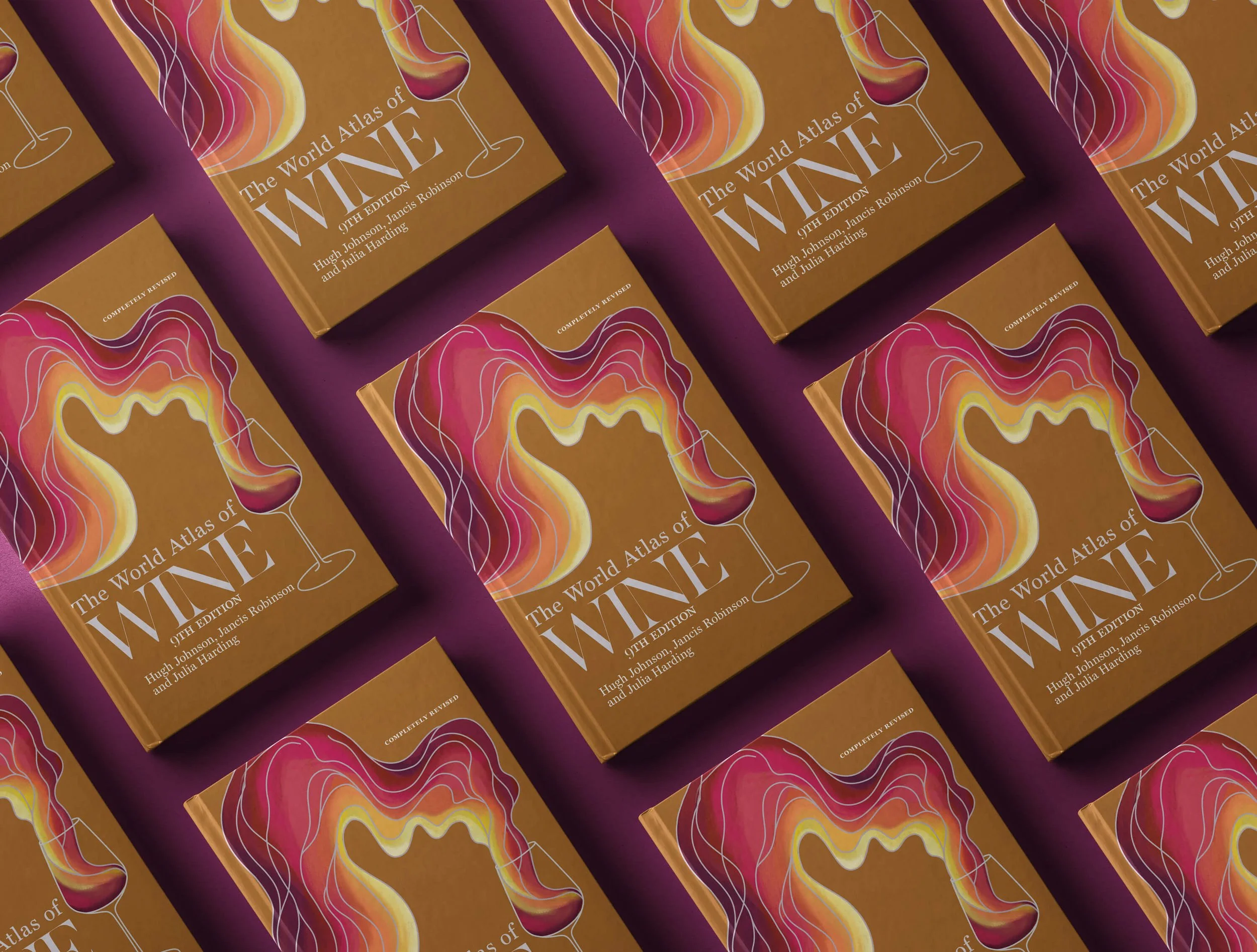
▻ The 9th Edition of the World Atlas of Wine with Jancis Robinson MW
Elin McCoy in conversation with Jancis Robinson MW

Episode Summary:-
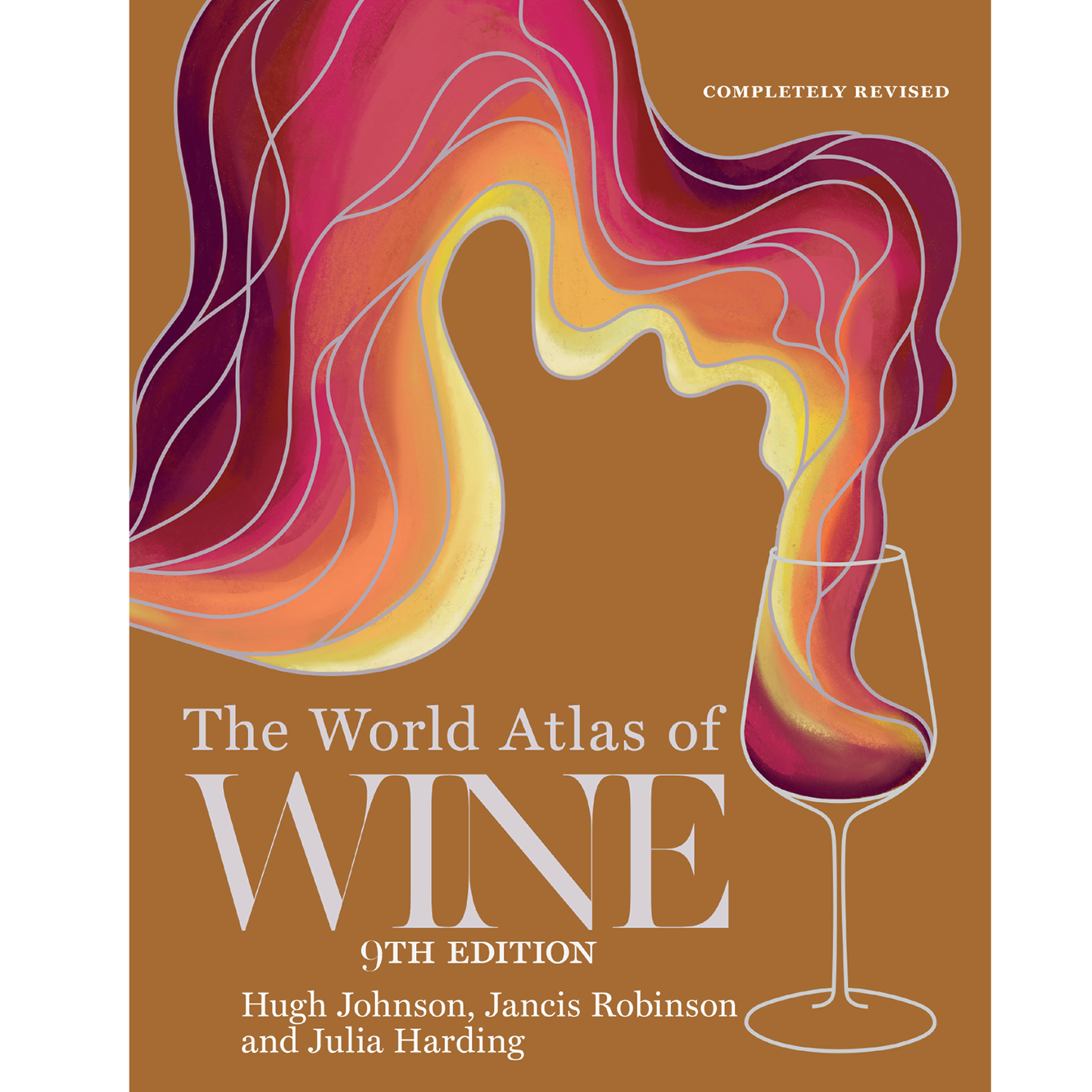
Jancis Robinson hardly needs an introduction to any wine lover. She became a Master of Wine in 1984 and has written a column for the Financial Times since 1989. She is also the author of a host of award-winning books, including The Oxford Companion to Wine as well as editor-in-chief of www.jancisrobinson.com. In this podcast she talks to Elin McCoy about the ninth edition of “The World Atlas of Wine,” which is due to be released at the end of September in the United Kingdom and early October in the U.S.
Jancis relates how Hugh Johnson approached her at a drinks party in his flat about co-authoring the Atlas, which was first published in 1971. She was travelling more than he was, and he needed help to keep up to date with the ever-expanding wine world. Today, “The World Atlas of Wine” has three bylines: Hugh Johnson, Jancis Robinson MW and Julia Harding MW. In 1971, there was very little comprehensive literature available for the wine-loving public, and the Atlas, with its maps and detailed information, was an instant success. Today, it has sold over 5 million copies in 16 languages.

The Atlas is revised every six years, and since the last one in 2019, a lot has changed in the wine world. Jancis tells Elin about the changes in the new edition, including 16 new pages, a great amount of metrological stats revised, and an introduction which looks at climate change and sustainability in more detail (there is even a map projecting where Chardonnay could be grown in 2100 if climate change continues apace: Russia and Scotland).
The shape of the wine world is rapidly changing, and to reflect this in the 9th edition, there are pages on Northern Europe and the Balkans. “The vine is moving polewards all the time,” Jancis explains. “Every word, every mark on the maps, has been examined and updated, moved, rewritten, omitted, added to – we go through it in forensic detail,” she says. “New maps have been added to reflect areas of increased popularity and importance.”
Jancis also explains how the work starts three years before publication, with planning meetings which set the framework for the revisions. There are many local experts who advise, and one of the most challenging elements of Jancis’s job is evaluating the interpretation, as some locals seem to act as PRs for the region, while others are more factual. No Artificial Intelligence has been used, and Jancis emphasises it is important for the book to have an opinion.
There are some trends she has noted: recognition for indigenous grapes, a new respect for hybrids, a swing away from big oaky reds to whites, and single-vineyard or single-block wines. She won’t predict the future trends, pointing out that trends can come from various and sometimes odd places, like the film “Sideways” and the TV revelations of the French Paradox.
For all the doom and gloom around climate change, she believes that it is an exciting time for wine, with a diversity of choice our grandparents could only have dreamt of. The average quality of wine goes up every year, and she states, “Today people drink wine more thoughtfully, maybe less, but a lot of them are really into it.”
Why does she believe “The World Atlas of Wine” has been such a success? “There are few things we buy that do tell you exactly which spot on the globe produced them,” she notes. While she wants a break of several years before she starts on the 10th edition, she confesses to Elin that she has already started making notes on what should be included in the ever-changing world of wine.
““There are few things we buy that do tell you exactly which spot on the globe produced them.” ”
RELATED POSTS

Keep up with our adventures in wine
Peter Sisseck, the man who helped change the image of Spanish wine, talks to Sarah Kemp.